

1. The Philosophy of Integrated Pest Management (IPM)
Integrated Pest Management (IPM) is an environmentally sound, science-based approach that emphasizes long-term pest prevention through mechanical, cultural, and structural modifications rather than routine calendar spraying. Chemical pesticides are deployed only as a targeted secondary measure when physical barriers and cultural controls are insufficient.
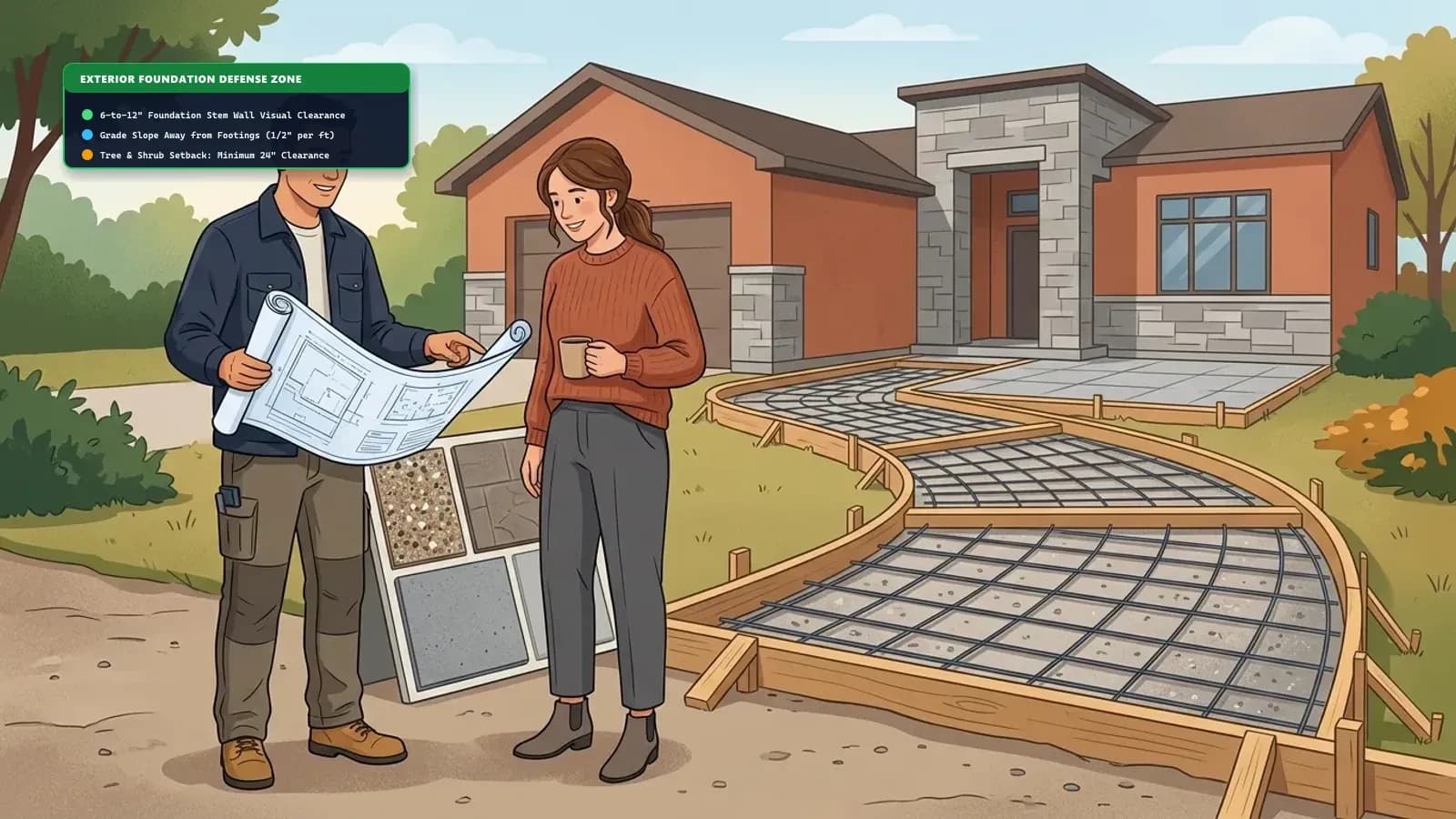
2. The 6-to-12-Inch Clear Foundation Inspection Zone
The exterior foundation perimeter is your home's primary line of defense. Pests enter when landscaping, moisture, and soil bridge the barrier:
- Maintain a 6-to-12-Inch Inspection Strip: Keep soil, gravel, and mulch at least 6 inches below the top of your concrete foundation and wood siding intersection. If soil or mulch covers the bottom of siding or brick veneer, subterranean termites tunnel directly into wall studs without visible mud tubes.
- The 3-Foot Tree Pruning Rule: Prune tree branches, dense ivy, and shrubbery at least 3 feet away from rooflines, gutters, and exterior walls. Overhanging branches act as aerial bridges for roof rats, squirrels, and carpenter ants.
- Mulch Moisture Management: Heavy organic wood mulch retains high moisture and fosters thriving colonies of subterranean termites, centipedes, and earwigs. Replace wood mulch within 12 inches of foundations with pea gravel or river rock.
3. Structural Moisture Defense & Crawlspace Encapsulation
Over 80% of residential pest infestations (termites, carpenter ants, silverfish, wood-boring beetles) require elevated wood moisture to establish breeding colonies:
- Gutter & Downspout Extensions: Ensure gutters are clean and downspouts discharge water at least 5 to 10 feet away from the foundation wall. Pooling foundation water creates high soil moisture gradients that attract subterranean termite swarmers.
- Repair Exterior Hose Bib Leaks: Chronic dripping from outdoor hose faucets creates muddy soil zones that serve as constant water sources for rodents and insects.
- Crawlspace Vapor Barriers: Install a continuous 10 to 12 mil reinforced polyethylene vapor barrier across 100% of the crawlspace ground floor, overlapping seams by 12 inches and taping securely. Maintain relative humidity below 50% using a dedicated commercial crawlspace dehumidifier.
4. The Four-Season IPM Inspection Calendar
Follow this quarterly maintenance schedule to protect your home year-round:
| Season | Target Pest Vulnerabilities | Primary Maintenance Actions |
|---|---|---|
| Spring (Mar – May) | Termite swarmers, Carpenter ants, Paper wasps | Inspect foundation for mud tubes; prune tree limbs 3' from roof; check exterior caulking |
| Summer (Jun – Aug) | Mosquitoes, Yellowjackets, Perimeter ants, Ticks | Clear standing water; check window screens (20-mesh); inspect deck footings; check hose bibs |
| Fall (Sep – Nov) | Mice, Norway rats, Stink bugs, Boxelder bugs | Seal weep holes with copper mesh; replace door sweeps; check attic gable vent screens |
| Winter (Dec – Feb) | Overwintering rodents, German cockroaches, Spiders | Inspect crawlspace vapor barrier; check plumbing penetrations; monitor basement sticky traps |
5. Annual Pest Control Cost Comparison Tool
Use our free planning tool below to compare the true annual cost of a proactive recurring IPM agreement against the reactive costs of emergency cleanouts and structural repairs.
Compare one-off and recurring costs
Use your own quoted prices to compare the same first 12 months. Keep an initial fee separate from recurring charges.
No account needed. This tool does not save or send your entries. Reset clears the form.
6. Authoritative IPM Resources
IPM principles and seasonal standards reviewed October 2026. Key educational resources:
- University of California Statewide IPM Program — Peer-reviewed residential Integrated Pest Management guidelines.
- Texas A&M AgriLife Extension: Residential IPM — Structural moisture control and perimeter clearance manuals.
- EPA Integrated Pest Management Principles — Federal IPM standards.
To learn how to permanently seal rodent entry points, read our rodent exclusion guide. For quote evaluations, use our quote comparison worksheet. Find verified IPM specialists on our pest directory map.